
Türkiye Shopping Guide
Türkiye Shopping Guide: What to Buy, Where to Shop, and How to Bargain Like a Local
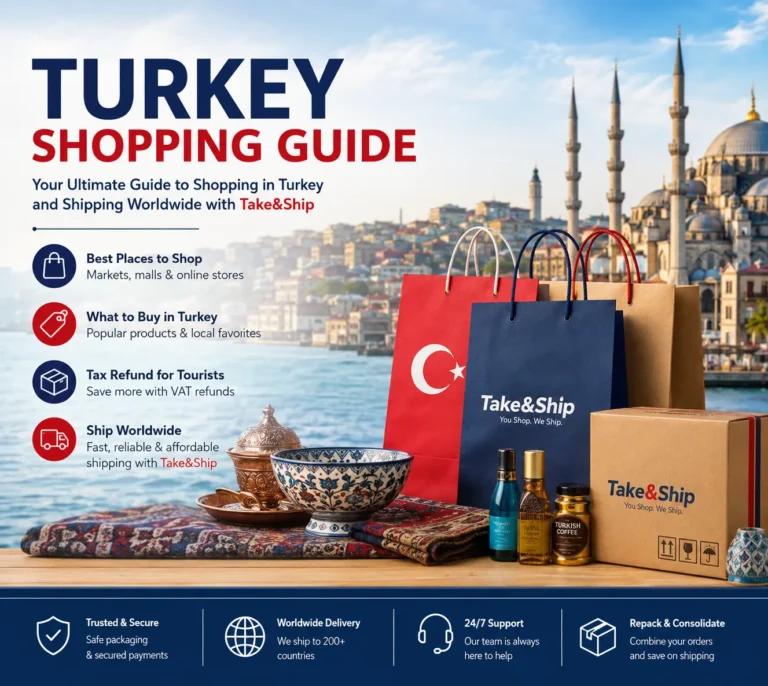
Türkiye Shopping Guide; Few countries reward curious shoppers the way Turkey does. Whether you’re weaving through the covered alleys of a centuries-old bazaar or browsing air-conditioned malls in a modern shopping district, shopping in Türkiye is as much an experience as it is an errand. This guide walks you through the best places to shop, what’s genuinely worth buying, realistic prices, and how to bargain without getting fleeced everything you need before you even land.
Why Shopping in Türkiye Is a Bucket-List Experience
Turkey sits at the crossroads of Europe and Asia, and its markets reflect that history. Trade has run through Istanbul for over 500 years, and the craft traditions, carpet weaving, leatherwork, ceramics, metalwork are still very much alive, not museum pieces. That’s the real draw: you’re not just buying souvenirs, you’re buying into a supply chain that’s been running since the Ottoman era.
There’s also a practical case for it. Labor and material costs in Turkey are generally lower than in Western Europe, so handmade goods that would cost a fortune in Paris or Rome are often a fraction of the price here, before you’ve even started bargaining. Add a VAT refund on top for eligible purchases, and it’s easy to see why so many travelers build a shopping day into their itinerary.
Best Places to Shop in Türkiye
Where you shop matters almost as much as what you buy. Here’s a breakdown of the spots worth your time.
1. The Grand Bazaar, Istanbul
The Grand Bazaar (Kapalıçarşı) is the anchor of any Istanbul shopping guide, and for good reason. it’s one of the oldest and largest covered markets in the world, with thousands of shops spread across dozens of covered streets. It’s open Monday to Saturday, roughly 9:00 AM to 7:00 PM, and closed on Sundays and the first days of major religious holidays, so plan around that if it’s a must-visit for you.
Go early on a weekday if you can. Mornings are calmer, shopkeepers have more patience for bargaining, and you’ll actually be able to browse instead of getting swept along by the crowd. It’s best for carpets, gold and silver jewelry, leather goods, ceramics, lamps, and textiles.
2. The Spice Bazaar (Egyptian Bazaar)
Smaller and more food-focused than the Grand Bazaar, the Spice Bazaar near the Golden Horn is where you go for spices, Turkish delight, dried fruit, nuts, and tea. It’s a useful backup if your visit lands on a Sunday, since it typically stays open when the Grand Bazaar doesn’t.
3. Grand Bazaar vs. Modern Shopping Malls
If you’re deciding how to split your time, here’s how the two experiences compare side by side.
| Feature | Grand Bazaar / Traditional Markets | Modern Malls (e.g., Istinye Park, Zorlu Center) |
|---|---|---|
| Atmosphere | Historic, maze-like, lively | Air-conditioned, modern, orderly |
| Pricing | Negotiable, often lower after bargaining | Fixed prices, generally higher |
| Bargaining | Expected and part of the culture | Not customary |
| Best for | Carpets, leather, gold, ceramics, souvenirs | International brands, electronics, fashion |
| Payment | Cash often preferred; cards accepted in most shops | Cards accepted everywhere |
| Tax-free shopping | Available at select shops | Widely available with easier paperwork |
4. Shopping Beyond Istanbul: Cappadocia, Bodrum, and Antalya
Istanbul gets the spotlight, but regional shopping has its own character. In Cappadocia, look for hand-painted ceramics and onyx carvings straight from local workshops. Bodrum and the Aegean coast are known for linen resort wear, leather sandals, and locally pressed olive oil and soap. Antalya’s old town (Kaleiçi) has a smaller, less touristy version of the bazaar experience, often with friendlier opening prices simply because there’s less foot traffic to work through.
What to Buy in Türkiye: Top Souvenirs and Products
If you only have room in your suitcase for a few things, these are the categories worth prioritizing.
Turkish Carpets and Kilims
Handmade carpets are the single most iconic and most expensive thing you can buy here. A genuine hand-knotted wool or silk carpet can take months to weave, and prices reflect the size, knot density, and material. Kilims (flat-woven, no pile) are a more affordable entry point than knotted carpets.
How to Spot a Genuine Handmade Carpet
Check the back of the carpet: a hand-knotted piece shows the same pattern on both sides, while a machine-made one usually has a plain, uniform backing. Ask to see the knots up close irregular, slightly imperfect knotting is a good sign of handwork, not a flaw. Reputable dealers will happily explain the region, material, and knot count without pressuring you, and will provide a certificate of authenticity for higher-value pieces.
Leather Jackets and Bags
Turkey has a long-established leather industry, and Istanbul in particular has entire districts built around it. Jackets, bags, and shoes here are often significantly cheaper than equivalent quality in Western Europe. Try items on, check stitching and lining quality, and don’t be afraid to ask where the leather was tanned.
Turkish Ceramics and Iznik Tiles
Hand-painted ceramics from Kütahya and reproductions of historic Iznik tile designs make for beautiful, packable souvenirs plates, bowls, tiles, and lamps in deep blues, turquoise, and coral reds. Genuine hand-painted pieces cost more than printed or stamped versions, so ask directly whether a piece is hand-painted or transfer-printed before you pay a hand-painted price.
Turkish Delight, Spices, and Tea
Lokum (Turkish delight), Turkish tea, and spice blends are easy, lightweight gifts that don’t require any negotiating skill to buy well just look for busy stalls with high turnover, which usually means fresher stock. Sample before you buy where it’s offered; most vendors expect it.
Gold and Silver Jewelry
Turkey is a major gold market, and the Grand Bazaar’s jewelry section prices pieces largely by weight against the daily gold rate, plus workmanship. Prices are more fixed here than elsewhere since gold value is transparent, but it’s still worth comparing a few shops before committing to a larger purchase.
Turkish Towels and Textiles (Peştemal)
Lightweight, fast-drying peştemal towels are a genuinely practical souvenir useful for the beach or bath long after your trip ends. Look for tightly woven cotton or cotton-linen blends; looser weaves feel nice in the shop but wear out fast.
How to Bargain in Turkish Markets: 7 Local Tips
Bargaining isn’t rude in Turkey. it’s expected, especially in traditional bazaars. Fixed-price shops and malls are the exception to this. Here’s how to do it well.
- Start low, but stay realistic. Offering around 40–50% of the initial asking price is a common, respectful starting point in most bazaars.
- Compare prices at a few stalls first. The same item often shows up at multiple shops, so a quick walk-through gives you a real sense of the range before you commit to negotiating.
- Keep it friendly. Bargaining works best as a relaxed back-and-forth, not a confrontation. A smile gets you further than a hard line.
- Bundle items for a better deal. Buying two or three things from one seller usually unlocks a better overall price than negotiating each item separately.
- Be willing to walk away. It’s not a bluff tactic it’s often genuinely the moment you get the best offer, as sellers will sometimes call you back with a lower number.
- Cash can mean a better price. Some vendors offer a small discount for cash since it avoids card processing fees.
- Get big purchases in writing. For carpets, gold, or leather, ask for a written receipt with the price, materials, and any guarantees clearly stated.
Türkiye Shopping Price Guide: What Things Really Cost
| Item | Budget | Mid-range | Premium |
|---|---|---|---|
| Small kilim / rug | $30–$60 | $100–$250 | $400+ |
| Hand-knotted carpet (medium) | $300–$600 | $800–$2,000 | $3,000+ |
| Leather jacket | $80–$150 | $200–$400 | $500+ |
| Hand-painted ceramic bowl | $10–$20 | $30–$60 | $80+ |
| Turkish delight (500g box) | $5–$8 | $10–$15 | $20+ (gourmet/pistachio) |
| Peştemal towel | $8–$15 | $20–$35 | $40+ |
Tax-Free Shopping and VAT Refunds in Türkiye
Turkey applies VAT (locally called KDV) at a standard rate of 20% on most goods, with lower rates on certain categories like textiles and food. As a non-resident tourist, you can reclaim part of that tax on qualifying purchases made at participating “Tax Free” shops, provided you spend above a minimum threshold at a single store, this minimum is adjusted periodically, so confirm the current figure with the retailer at checkout.
How to Claim Your VAT Refund Step by Step
- Shop at a store displaying a Tax Free sign, and mention you’re a tourist before you pay.
- Ask for a Tax-Free form or e-invoice at checkout, and keep it together with your passport.
- Keep the items unused and easily accessible don’t pack them deep in checked luggage.
- Get your form stamped at the customs desk at the airport before you go through security, on your way out of the country.
- Collect your refund at the designated cash desk, or wait for it to be credited back to your card.
What Purchases Don’t Qualify for a VAT Refund
Hotel stays, meals, and other consumed services aren’t eligible. Used or worn items generally don’t qualify either, which is another reason to keep tags on and packaging intact until you’re through customs. Rules and thresholds can change, so it’s worth double-checking with the retailer or a refund kiosk if you’re planning a large purchase.
Best Time of Year to Shop in Türkiye
For a calmer bazaar experience, aim for the shoulder seasons. April to May or September to October, when tourist numbers dip but the weather is still pleasant for wandering between shops. If discounts matter more to you than crowd size, keep an eye out during Turkey’s official seasonal sale periods, which malls and retailers typically run in winter and again in summer. Avoid planning a big shopping day around Eid al-Fitr or Eid al-Adha, since the Grand Bazaar and many traditional shops close entirely for several days during these holidays.
Shopping Etiquette Tips for Tourists in Türkiye
- Accept the tea. Being offered a glass of çay while you browse is genuine hospitality, not a sales trap you’re not obligated to buy anything.
- Dress modestly if you’ll be shopping near mosques in the old city, especially if you plan to step inside one during the same outing.
- Carry small bills for smaller bazaar stalls and street vendors, where breaking a large note can be genuinely difficult.
- Be cautious of unsolicited “guides” near major tourist sites who offer to walk you to a “good shop” they’re often paid a commission that gets built into your price.
- Agree on the final price before the item leaves the counter, especially for anything shipped internationally.
Frequently Asked Questions About Shopping in Türkiye
Is Türkiye a good place for shopping?
Yes. Between historic bazaars, a strong leather and textile industry, and generally lower prices than Western Europe, shopping in Türkiye is a highlight for most visitors especially when combined with bargaining and a VAT refund on eligible purchases.
What is the best thing to buy in Türkiye?
Handmade carpets and kilims are the most iconic purchase, but leather goods, hand-painted ceramics, and Turkish delight are more practical picks if you’re not looking to spend hundreds of dollars.
How much should I bargain in Turkish markets?
Starting around 40–50% of the asking price is a reasonable opening offer in most bazaars. Fixed-price shops and shopping malls are the exception bargaining isn’t expected there.
Is the Grand Bazaar cheaper than Turkish shopping malls?
Generally yes, once you factor in bargaining, though quality and authenticity vary more between individual shops. Malls offer fixed, often higher prices but more consistency and easier returns.
Can tourists get a VAT refund in Türkiye?
Yes. Non-resident tourists can reclaim VAT on qualifying purchases made at participating Tax Free shops, above a minimum spend, by getting the purchase stamped at customs when leaving the country.
What’s the best time to visit Türkiye for shopping?
April–May and September–October offer good weather with smaller crowds at major bazaars. Avoid religious holidays like Eid al-Fitr and Eid al-Adha, when many traditional markets close for several days.
Final Thoughts: Make the Most of Your Türkiye Shopping Trip
The best approach to shopping in Türkiye is to slow down. Browse a few stalls before committing, ask questions about materials and origin, and treat bargaining as part of the fun rather than a chore. Whether you come home with a hand-knotted carpet or just a box of pistachio Turkish delight, the market itself the noise, the tea, the back-and-forth is usually the part travelers remember most.
Related Articles
- Cheap Clothes From Turkiye
- How to Buy from Trendyol Outside Turkey
- How Parcel Forwarding Works
- Shop from Turkey
- Package Consolidation Service
- International Shipping Rates
- Best Turkish Online Shopping Sites
📦 Ready to Start Shopping?
Explore your favorite Turkish stores and let Take&Ship bring the fashion to you!
👉 Learn How It Works Ready to shop from Turkey? Start now!
Sign up at takeandship.com to get your free shipping address in Turkey. Start shopping and let us deliver the best of Turkey to your door wherever you are!
Serglobex E-Commerce | Logistics | FreightYour Trusted Partner for International Parcel Forwarding from Turkey